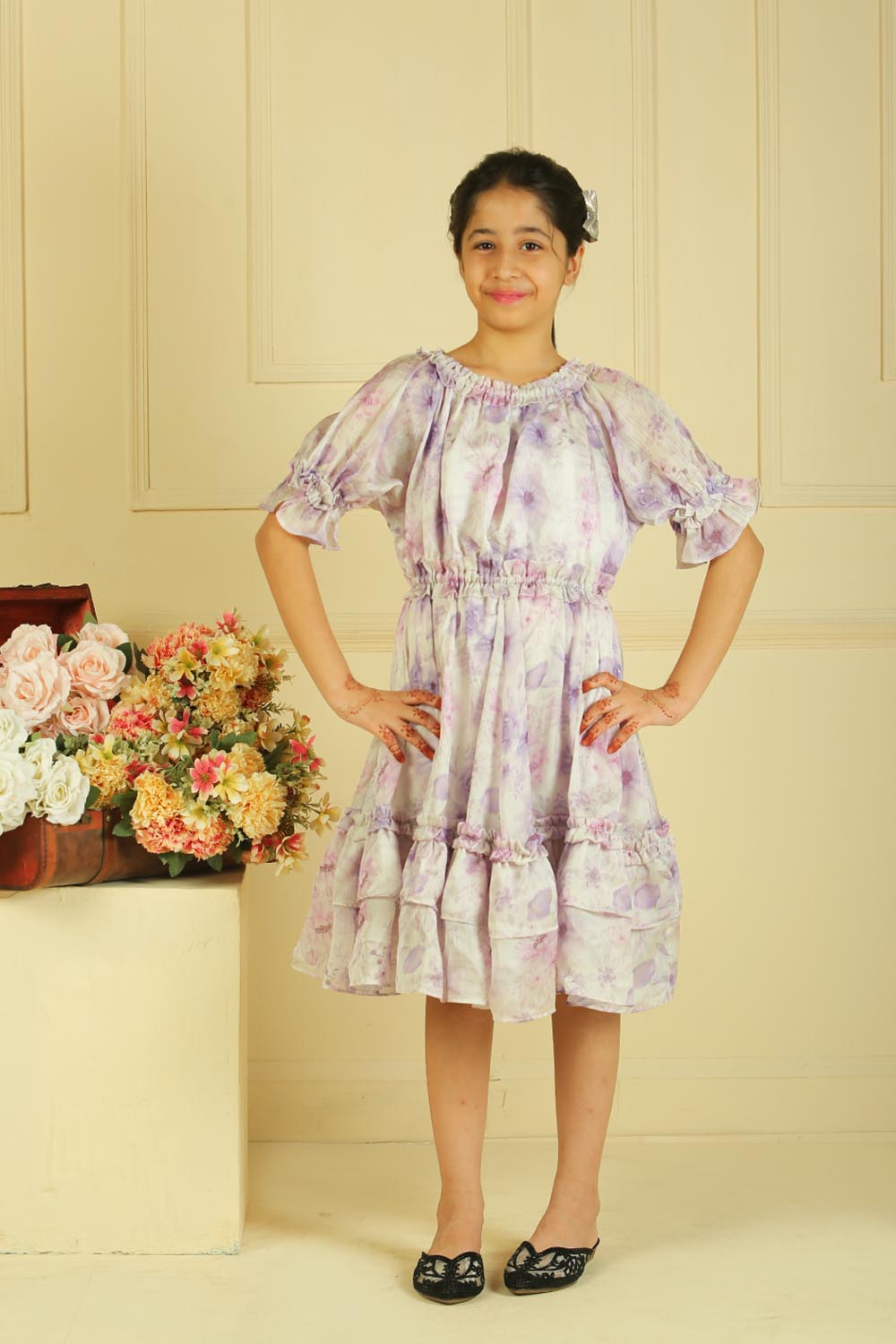

What Is the 3-3-3 Rule for Clothes? A Complete Guide to 27 Outfits From 9 Pieces

You open your wardrobe, stare at a hundred hangers, and think: "I have nothing to wear."
Almost everyone has been there. The problem is rarely a lack of clothes. It is too many options and too few pieces that work well together. That is the problem the 3-3-3 rule for clothes solves.
In this guide you will learn what the 3-3-3 clothing rule is, how the math works, and how to build your own nine-piece capsule step by step. You will also see how to pack with it, where it falls short, and how to adapt it if your wardrobe is full of dresses and co-ord sets rather than jeans and tees.
What Is the 3-3-3 Rule for Clothes?
The 3-3-3 rule for clothes is a minimalist styling formula. You choose:
- 3 tops
- 3 bottoms
- 3 pairs of shoes
Then you mix and match those nine items for everyday outfits. Because every top can go with every bottom and every shoe, the numbers work out to 3 × 3 × 3 = 27 possible combinations.
The idea is to narrow your choices on purpose so that every piece you own earns its place. It is a close cousin of the capsule wardrobe. Both are built on a small set of versatile, well-fitting pieces that work together.
Other names you may see: the 3-3-3 fashion rule, the 3-3-3 method for clothes, the 333 outfit formula, or the 3×3 dress-up challenge. They all describe the same nine-piece idea.
A quick note on other "3-3-3 rules"
If you landed here searching for something else, note that "3-3-3" also names a popular anxiety-grounding exercise: name three things you see, identify three sounds you hear, and move three parts of your body. It has nothing to do with clothes. This article is only about the wardrobe method.
Where Did the Idea Come From?
The 3-3-3 rule is a modern, social-media-friendly version of an older idea: the capsule wardrobe. According to the capsule wardrobe entry on Wikipedia, the term is generally credited to London boutique owner Susie Faux in the 1970s. It was later popularized in the United States by designer Donna Karan's 1985 "Seven Easy Pieces" collection.
Traditional capsule wardrobes usually run to 30 or more items per season. The 3-3-3 rule shrinks that down to nine, which makes it a good starting point for beginners, a practical travel formula, and a fast "reset" for a chaotic closet.
There is no official governing body behind it. It is a styling framework, not a law, so treat it as a guide you can bend.
Why Does the 3-3-3 Rule Work? (The Math and the Psychology)
The math Nine pieces multiply into 27 outfits:
| Tops | Bottoms | Shoes | Total combinations |
|---|---|---|---|
| 3 | 3 | 3 | 27 |
| 4 | 4 | 4 | 64 |
| 5 | 5 | 5 | 125 |
Add a jacket, a scarf, or a belt and the number of looks climbs even higher, because accessories and layers change how each combination reads.
An honest caveat: not all 27 combinations will be equally good. A sporty sneaker with a formal trouser might not be your taste. In practice you will love maybe 15 to 20 of them, which is still far more than most people rotate through.
The psychology
Two ideas explain why fewer choices can feel better.
1. Decision fatigue. The concept, covered in this decision fatigue overview, holds that making many choices can leave you feeling mentally drained. It is worth being upfront that some of the lab research behind the wider "willpower runs out" theory has faced replication challenges. Even so, most people will agree that a smaller menu makes getting dressed quicker and calmer.
2. Wardrobe under-use. Many people wear a small portion of what they own. A popular version of this is the "80/20" observation that we wear roughly 20% of our clothes 80% of the time. Treat it as a rule of thumb rather than a precise statistic. The 3-3-3 rule simply builds your wardrobe around that reality.
There is also a bigger-picture reason. The Ellen MacArthur Foundation's report A New Textiles Economy found that the average number of times a garment is worn has fallen significantly over the past 15 years. Buying fewer, better, more versatile pieces is one small way to push against that trend.
Benefits of the 3-3-3 Fashion Rule
- It saves time - When every top works with every bottom, mornings turn into a quick pick-and-go.
- It reduces clutter - A smaller set of active clothes means easier laundry, tidier drawers, and less rummaging.
- It curbs impulse shopping - Before buying, you ask: "Which of my nine does this replace, and does it go with the other eight?" That one question filters out many regretful purchases.
- It builds confidence in your own style - When you wear the same well-fitting pieces often, you learn what silhouettes, colors, and fabrics actually suit you.
- It makes travel easier - Nine pieces fit in a carry-on and still give you plenty of variety.
- It supports more mindful consumption - Wearing what you own more often is one of the simplest sustainable-fashion habits there is.
How to Build Your 3-3-3 Capsule: Step by Step
Step 1: Audit what you already wear
Before buying anything, look at your real habits. Pull out everything you wore in the last 30 days. Notice which pieces you reach for again and again. Those are your style clues.
Step 2: Choose a simple color palette
Pick two or three base colors that flatter you, plus one accent. Neutrals such as black, white, beige, navy, grey, and brown mix easily. If you love color, that is fine too. Just make sure the colors can sit next to each other.
Step 3: Pick your 3 tops
Aim for a small range of jobs:
- One everyday top: a fitted tee or tank
- One dressier top: a blouse, a peplum, or a structured piece
- One layering or relaxed top: an oversized shirt or a knit
Step 4: Pick your 3 bottoms
- One comfortable daily option: relaxed pants or jeans
- One structured piece: tailored trousers or a straight skirt
- One flexible or seasonal piece: a flowy skirt, wide-leg pants, or shorts
Step 5: Pick your 3 pairs of shoes
A common trio looks like this:
- A casual shoe: clean sneakers
- A polished flat: loafers, ballet flats, or low boots
- An elevated shoe: sandals or heels
Step 6: Run the "Rule of Three" test
For each piece, ask: "Can I wear this in at least three different outfits?" If the answer is no, it does not belong in your nine.
Step 7: Add accessories and layers (they don't count)
Most people treat belts, scarves, jewelry, bags, and jackets as bonus items outside the nine. They are where your personality shows up. A statement earring or a bold belt can make the same outfit feel new.
Sample 3-3-3 Capsule and Outfit Chart
Here is one example of a neutral, all-purpose capsule.
| Category | Piece 1 | Piece 2 | Piece 3 |
|---|---|---|---|
| Tops | White fitted tee | Black boxy top | Beige button-down |
| Bottoms | Blue straight jeans | Black tailored trousers | Brown wide-leg pants |
| Shoes | White sneakers | Tan loafers | Black ankle boots |
And nine of the 27 possible outfits:
| # | Top | Bottom | Shoes | Best for |
|---|---|---|---|---|
| 1 | White tee | Blue jeans | White sneakers | Weekend errands |
| 2 | White tee | Black trousers | Tan loafers | Casual Friday |
| 3 | Black boxy top | Brown wide-leg | Ankle boots | Dinner out |
| 4 | Beige shirt | Blue jeans | Tan loafers | Coffee meeting |
| 5 | Beige shirt | Black trousers | Ankle boots | Office day |
| 6 | Black boxy top | Blue jeans | White sneakers | Casual outing |
| 7 | White tee | Brown wide-leg | Tan loafers | Brunch |
| 8 | Beige shirt | Brown wide-leg | White sneakers | Travel day |
| 9 | Black boxy top | Black trousers | Ankle boots | Evening event |
Notice how one swap, say sneakers for boots, changes the mood entirely. That is the payoff of choosing pieces that were designed to work together.
The 3×3 Dress-Up Challenge
Once you have your nine pieces, try a fun exercise. Build three distinct looks from them:
- Casual: relaxed, comfortable, weekend-ready
- Smart casual: polished enough for a lunch meeting
- Dressed up: ready for dinner or an event
The challenge proves you do not need a giant wardrobe to dress for every occasion. You only need a few flexible pieces and some styling creativity, like a tucked hem, a rolled cuff, a belt, or a layered jacket.
The 3-3-3 Rule for Packing
The rule is especially popular for travel. Instead of packing one outfit per day, you pack three tops, three bottoms, and three pairs of shoes that all coordinate.
| Trip situation | Top | Bottom | Shoes |
|---|---|---|---|
| Sightseeing | Cotton tee | Comfortable pants | Sneakers |
| Dinner out | Dressy blouse | Tailored trousers or skirt | Sandals or loafers |
| Travel day | Relaxed top | Dark jeans | Slip-on shoes |
Packing tips:
- Choose wrinkle-resistant, lightweight fabrics.
- Wear your bulkiest shoes on the plane.
- Add one jacket or cardigan, sleepwear, and underwear on top of the nine.
- Stick to one color family so everything coordinates.
- Do a quick "try-on rehearsal" at home to confirm your outfits actually work.
Does the 3-3-3 Rule Work if You Love Dresses and Co-ord Sets?
Here is a problem most articles skip: the classic formula assumes you live in tees and jeans. Many people prefer dresses, skirts, and matching sets, and the strict "3 tops, 3 bottoms" template does not map neatly onto a wardrobe like that.
The good news is that the principle (a small, coordinated set of versatile pieces) is easy to adapt. Here are three ways to do it.
Option A: The Dress-Led 3-3-3
- 3 dresses in different lengths or moods (a mini, a midi, and a maxi)
- 3 pairs of shoes (flat, sandal, heel)
- 3 layers or accessories (a denim jacket, a belt, a bag)
A dress is a complete outfit on its own, so styling is quick. You get variety through shoes, layers, and accessories, and you can extend it with a solid tee or fitted top worn under a pinafore-style dress.
Option B: The Co-ord Split
A co-ord set is really two garments in one. Wear them together for an instant polished look, or split them:
- Wear the top with jeans or trousers.
- Wear the skirt with a plain white tee.
Two co-ord sets therefore give you two tops and two bottoms, and one extra solid top and bottom rounds out the nine.
Option C: Anchor with solids, add one print
Printed pieces are harder to mix than solids. To keep things flexible, build most of your capsule from neutrals and let one printed dress or co-ord set be the star. Then repeat one of its colors somewhere else, such as a shoe, a belt, or a bag.
Explore Pieces That Fit the Formula (Luxe & Hardy)
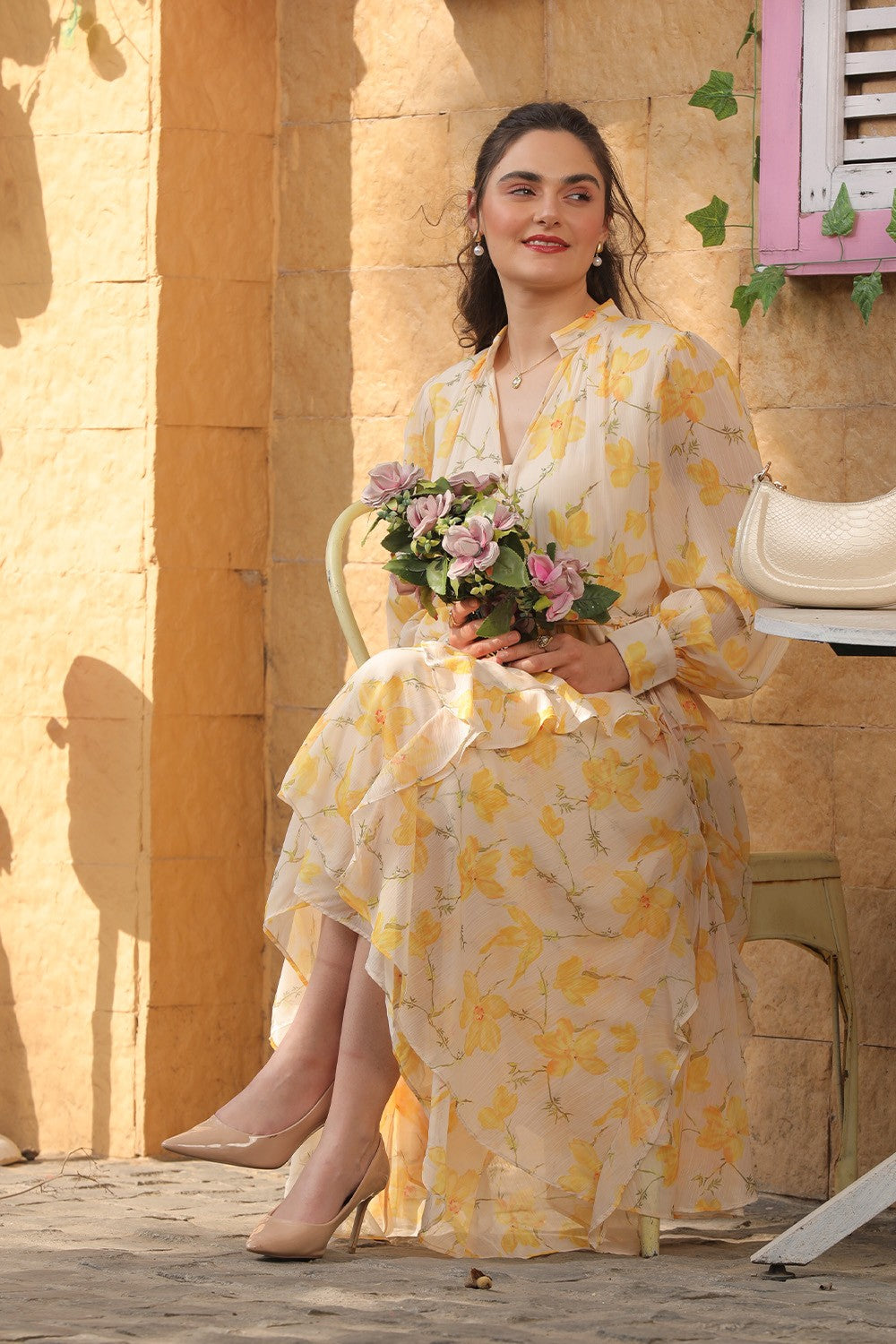
If you want a starting point for the dress-led or co-ord approach, here are a few pieces from the Luxe & Hardy women's collection. The brand focuses on soft florals, flowing silhouettes, and detailed finishing. Their womenswear runs from S to XXL, with size charts on each product page. Prices below were listed at the time of writing and may change.
| Piece | Type | Sale price | Regular price | Capsule role |
|---|---|---|---|---|
| Gigi Mini Flared Dress | Mini dress | Rs. 2,450 | Rs. 4,899 | Your short, day-to-evening dress |
| Nora Flared Dress | Maxi dress | Rs. 3,429 | Rs. 4,899 | Your statement maxi for events |
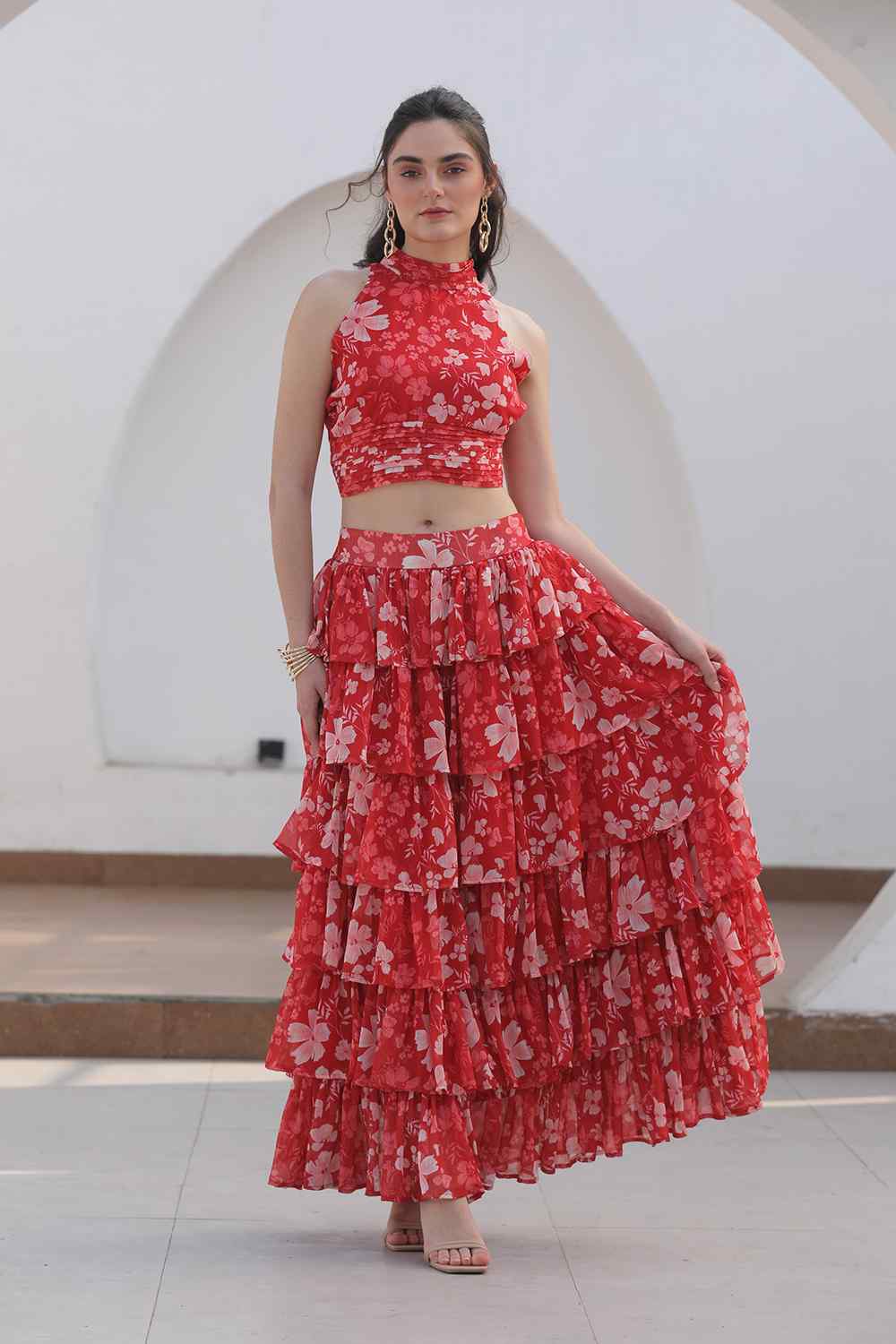
| Bria Co-ord Set, Ruby | Halter top and tiered maxi skirt | Rs. 4,199 | Rs. 5,999 | Two-in-one: wear together or split |
| Sera Rose Co-ord Set | Peplum top and printed skirt | Rs. 3,570 | Rs. 5,100 | Dressy top plus a skirt to remix |
| Blair Mini Dress | Mini dress | Rs. 3,499 | Rs. 4,999 | Light, breezy warm-weather option |
Sample dress-led capsule using these pieces:
| Slot | Choice |
|---|---|
| Dress 1 (mini) | Gigi Mini Flared Dress |
| Dress 2 (maxi) | Nora Flared Dress |
| Dress 3 / set | Bria Co-ord Set (worn together or split) |
| Shoes | White sneakers, flat sandals, block heels |
| Layers | Denim jacket, neutral belt, crossbody bag |
Three ways to style it:
- Day out: Gigi dress, white sneakers, denim jacket.
- Brunch: Bria skirt with a plain white tee, flat sandals.
- Evening: Nora dress, block heels, a small bag.
The store also lists free shipping, easy exchanges and returns, and cash on delivery, which makes trying pieces in a small capsule lower-risk. Check the shipping and returns policy for current terms.
Common Mistakes to Avoid
1. Picking pieces that don't coordinate - Nine great individual items can still fail together if colors and styles clash. Lay them out side by side first.
2. Chasing trends - Trend-driven pieces age quickly. Save them for accessories.
3. Ignoring comfort and fit - If you dislike wearing something, it will sit unused no matter how versatile it looks on paper.
4. Forgetting your real lifestyle - If you work from home, do not build a capsule around blazers you never wear. Build for the life you actually live.
5. Treating it as a strict law - The rule is a guide. If you need four shoes, own four shoes.
6. Throwing out clothes in a panic - You do not have to donate everything. Box up the rest for a month and see what you miss.
Who Is the 3-3-3 Rule Best For?
- Beginners curious about minimalism and capsule wardrobes
- Frequent travelers who want carry-on-only trips
- Busy professionals and parents who want faster mornings
- Students on a budget
- Anyone doing a "seasonal reset" or preparing for a move
It is less ideal if your job requires many distinct uniforms or dress codes, or if your climate swings dramatically within a single week. In those cases, use the rule for a slice of your life (say, weekdays) rather than everything.
How to Personalize the Rule
Rotate seasonally. Every three to four months, swap in fabrics and layers that suit the weather while keeping the same structure.
Add one hero piece. A single bold item, like a vivid dress or a sculptural top, keeps the capsule from feeling flat.
Use accessories as your creative outlet. Scarves, earrings, belts, and bags cost less and change the mood fast.
Try a 30-day test. Live with your nine pieces for a month. Note what you love, what annoys you, and what is missing. Then adjust.
Conclusion: Small Wardrobe, Big Confidence
The 3-3-3 rule for clothes is easy to remember and easy to test. Choose three tops, three bottoms, and three pairs of shoes; keep the colors coordinated; and you have a working wardrobe that can produce up to 27 outfits.
Frequently Asked Questions
Q1. What is the 3-3-3 rule for clothes?
It is a minimalist wardrobe method where you choose 3 tops, 3 bottoms, and 3 pairs of shoes that all coordinate, creating up to 27 outfit combinations.
Q2. How many outfits can you make with the 3-3-3 rule?
Mathematically, 27. Adding layers and accessories increases the number of distinct looks.
Q3. Is the 3-3-3 rule the same as a capsule wardrobe?
It is a smaller, simpler version. A full capsule wardrobe often contains 30 or more pieces per season, while the 3-3-3 rule uses just nine core items.
Q4. Do accessories and outerwear count?
Usually not. Most people treat them as extras that add variety without breaking the rule.
Q5. Can I use the 3-3-3 rule for work clothes?
Yes. Choose structured tops, tailored bottoms, and polished shoes that all mix together.
Q6. How often should I change my 3-3-3 capsule?
Many people refresh every three to four months to match the seasons and their changing routines.
Q7. Can I use dresses in the 3-3-3 rule?
Yes. Treat a dress as a complete outfit, or use co-ord sets that can be split into separate top and bottom pieces.
Q8. Does the rule work for men and kids?
The principle is universal. Swap in shirts, pants, and shoes that suit the wearer. For kids, growth and messy play mean you will likely want more than nine.
Q9. Is the 3-3-3 rule good for sustainable fashion?
It can be. Wearing fewer pieces more often, and buying with intention, reduces waste. That said, it only helps if you avoid replacing the rest of your wardrobe with a wave of brand-new purchases.
Q10. Do I have to follow it strictly?
No. It is a flexible framework. Adjust the numbers to fit your life.